Bathroom Mold Removal in Columbia Heights, DC
Mold removed from grout, caulk, ceilings and walls in your Columbia Heights bathroom. Call 24/7 to arrange an assessment and start your cleanup.
- Moisture source checked first
- Containment and HEPA filtration
- Clear removal and repair scope
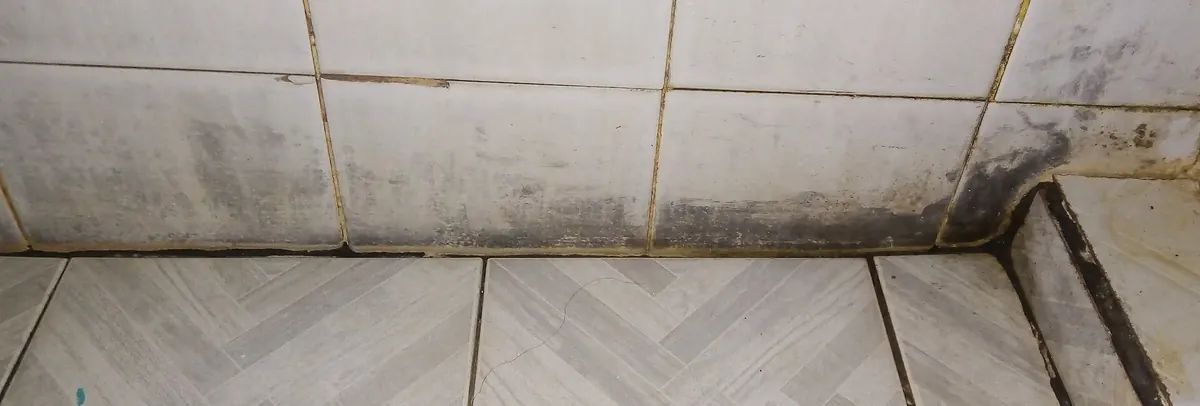
Explore Bathroom Mold Removal Services in Columbia Heights
Cleanup clears mold from your tub and shower surrounds, affected walls, vanity cabinets and bathroom ceilings. Before any cleaning, the source of dampness is located.
Your sound tile and joints receive cleaning and drying, followed by resealing only if included in the scope. Removal covers moldy caulk and grout beyond saving. Any damaged material behind the tile is uncovered within containment.
Ceiling mold needs a different repair approach from inadequate bathroom ventilation or shower leaks. An assessment tracks moisture you cannot see. Your written work scope specifies cleanup, with plumbing or finish repairs listed separately, before work gets underway.
- Shower mold and tub surround cleanup
- Grout, caulk and joint treatment
- Ceiling and shower wall cleaning
- Vanity and behind-tile assessment
- Contained drywall removal and drying
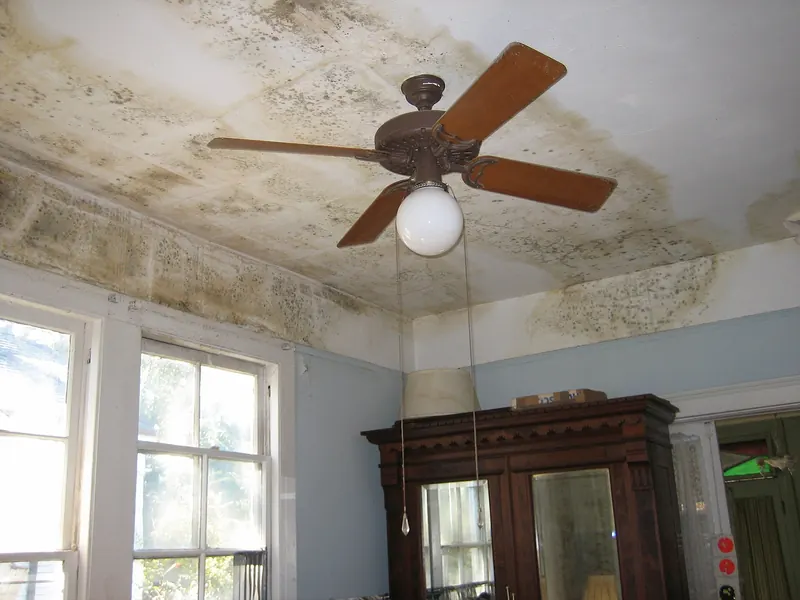
Recognizing the Need for Bathroom Mold Removal
A musty bathroom, spots that return or damp surface finishes call for more than fresh paint.
Peeling Paint Across the Bathroom Ceiling
Water stains, mold on bathroom ceiling surfaces or paint bubbles may occur alongside dampness above the finish.
Musty Smell After Showers
Condensation combined with an ongoing odor can suggest trapped dampness despite no visible mold.
Soft Drywall Beside the Tub
Look for possible damage behind the tub when bathroom walls soften, vanity backing swells or tiles loosen.
Black Spots Return After Cleaning
When caulk or grout stays damp behind the surface, mold in shower joints returns.
Growth Exposed During a Bathroom Remodel
Surface cleaning cannot reach some affected materials that tile removal may uncover.
Bathroom Mold Removal From Start to Finish
Assessment begins the job; removal within containment comes next. Cleaning, drying and final checks follow.
Call and Bathroom Assessment
When you call, first discuss affected surfaces and access to your bathroom. A thermal imaging camera can help find differences in temperature, not identify mold; a moisture meter charts damp locations.
Moisture Source and Scope
Checks address the exhaust route, sink and shower. Leak repair, cleanup and ventilation fixes are outlined ahead of the work.
Bathroom Containment
Poly sheeting forms a containment barrier around the work zone. During removal, negative air pressure helps limit spreading dust along with protective equipment and a HEPA air scrubber.
Damaged Material Removal
Removal as needed includes damaged drywall behind shower tiles, moldy caulk and cabinet backing that cannot be saved. Debris is bagged inside containment before it leaves your bathroom.
Surface Cleaning
Using a HEPA vacuum alongside damp cleaning clears residue and growth from intact surfaces. Appropriate antimicrobial treatment complements the cleaning process; cleaning cannot be skipped.
Controlled Bathroom Drying
A dehumidifier assists drying in the enclosed area together with air movers. Drying progress is tracked using moisture readings before replacement of materials or repairs to finishes.
Post-Remediation Check
Cleaning, drying and agreed post-remediation verification are completed before containment comes down. Included clearance testing is carried out by an independent assessor.
Why Consider Washington Mold Removal Services for Bathroom Mold Removal
Bathroom Moisture First
Your assessment traces dampness before removal so the cleanup scope addresses the source as well as visible growth.
Calls Answered 24/7
You have one metro-wide number to begin bathroom cleanup by day or at night.
Clear Scope and Contained Work
You hear the scope before work begins; containment and HEPA filtration are selected to suit the affected area.
Removal Through Final Checks
Removal replaces painting over damaged materials; containment stays until cleaning and drying have been checked.
Before Bathroom Mold Removal Begins in District of Columbia
Call for your assessment and avoid disturbing any affected surface.
- Stop using leaking fixtures. Avoid electricity near wet areas.
- Keep the work area clear. Restrict children's and pets' access to visible mold growth.
- Leave finishes in place. Do not start tear out, sanding or dry brushing.
- Avoid blowing on growth. Keep fans pointed away from mold; do not operate HVAC equipment suspected of contamination.
- Limit fresh water damage. EPA advises drying water-damaged areas and items within 24 to 48 hours to prevent mold growth.
Bathroom Mold Removal Cost in Columbia Heights
Your cleanup cost varies with how much area is affected and how accessible it is behind fixtures. Nationally published ranges compare surface work with cleanup behind vanities or tubs.
Bathroom mold removal
$500 to $1,000 per jobSource: This Old House, Mold Remediation Cost (cost data credited to Angi) (checked 2026-10-23)Surface mold; mold behind a vanity or tub can cost up to $8,000
$500 to $8,000 per jobSource: Bob Vila, Mold Remediation Cost (cites Angi and HomeAdvisor) (checked 2026-10-23)What Changes Bathroom Mold Cleanup Cost in Columbia Heights
- Containment and HEPA filtration
- Tile, drywall and finish replacement
- Affected square footage
- Leak repair and ventilation work
- Reaching areas behind the tub or vanity
Your Price for Bathroom Cleanup
These published national ranges are planning figures. Your on-site assessment defines the work and price before cleanup starts, including any separate source repairs or rebuilding.
Call (844) 352-3560 about costBathroom Mold Removal Service Area Across Greater Washington
Call (844) 352-3560 to arrange cleanup in Columbia Heights or nearby communities. One number covers the metro.
Bathroom Mold Removal in Locations Near Columbia Heights
ZIP codes
What People Ask About Bathroom Mold Removal in Columbia Heights
Do you need testing before bathroom cleanup or afterward?
With visible mold, EPA guidance often does not call for air sampling. The affected surfaces and moisture issue are established through inspection. After removal, cleaning and drying are checked before containment comes down. Specified clearance testing is carried out by an independent assessor. Federal limits do not exist for indoor mold levels.
Is removing drywall or tile necessary?
Sound tile can often stay when growth is limited to accessible surfaces. You may need removal of loose tile backing, moldy material within walls or damaged drywall. Actual damage guides removal, not a stain's color; your assessment determines what needs opening and what can be cleaned.
Could mold reappear once the bathroom has been cleaned?
An unresolved water problem can allow mold to recur. Cleanup first addresses your moisture source, including condensation, exhaust issues and leaks. Repairs that enclose affected surfaces follow completed cleaning and drying. To reduce recurrence of the same conditions, complete leak repairs and keep up bathroom humidity control.
How is bathroom cleanup cost determined in District of Columbia?
Your price is set after an on-site assessment of the affected surfaces and hidden damage. The published cost cards above show national ranges with their sources and units. Your total may vary with containment, replacement finishes, access behind a tub and drying. Work begins after your price and scope have been explained.
How long does bathroom cleanup take in Columbia Heights?
Your timeline is determined once assessment is complete. A surface cleanup involves different work from opening a shower wall, removing drywall and drying a cavity. Drying duration depends on moisture readings. Access to your bathroom remains restricted through cleaning, verification and completion of repairs required for use.
Will the moisture problem in the bathroom also be corrected?
Your moisture source is located during assessment; necessary fixes are specified before finishing cleanup. Plumbing repairs, waterproofing and exhaust work are included only when listed in your scope. Separate repairs are identified before work begins to keep new finishes from covering an unresolved leak.
Can you use the bathroom during cleanup?
Keep your affected bathroom unused during containment, removal and cleaning work. If access stays outside the work zone, another bathroom may be available. Your household's needs, the layout and shared ventilation shape whether remaining home is practical. Final checks plus needed repairs precede reopening.
Bathroom Mold Cleanup Insurance Considerations in District of Columbia
Coverage under homeowners insurance varies with your deductible, exclusions, limits for mold and what caused the dampness. Rebuilding and source repairs may be treated differently from cleanup.
Bathroom Mold Safety in Greater Washington Homes
Containment helps restrict spore spread as work disturbs your mold-affected surfaces.
Bathroom Dust Control
HEPA filtration supports particle control during cleaning and removal.
Sensitive Occupants
Mold may trigger asthma and allergy symptoms for some people, CDC notes.
Mold Color
CDC explains that mold color does not indicate the level of risk.
Hidden Bathroom Damage
Clean-looking tiles alone tell you nothing conclusive about the backing's condition.
Cleanup scope: For areas below about 10 square feet, EPA says homeowner cleanup is often possible. You need professional assistance with larger areas, HVAC systems and mold from sewage or contaminated water.
Bathroom Materials Cleaned or Removed in District of Columbia
Where feasible, cleanup keeps your sound surfaces. Damage to porous materials may require removal.
Non-porous surfaces
- Sound glass, glazed tile and metal are cleaned and dried.
Porous materials
- You may retain sound wood framing after cleaning; damaged drywall or swelling cabinet backing may need to come out.
Bathroom finishes
- Replace affected grout and caulk after cleaning and drying, removing the materials when needed.
Bathroom Cleanup Timing in District of Columbia
Your schedule follows access, removal, drying and repair after remediation.
- Access: Tile and fixture removal can add work.
- Drying: Moisture readings establish when repairs can begin.
- Reopening: Replacement finishes and final checks influence the timing of your return to the room.
Odor and Bathroom Humidity in Columbia Heights Homes
Musty odors are examined at your assessment; perfume leaves the underlying source in place.
For indoor relative humidity, EPA's ideal is 30 to 50 percent, and its recommended ceiling is below 60 percent. A functioning bathroom exhaust fan cannot be replaced by your dehumidifier.
District of Columbia Bathroom Cleanup Requirements
Bathroom Work Requirements
The District licenses mold assessors and mold remediators through the Department of Energy and Environment (DOEE). For rental housing, mold covering 10 square feet or more calls for a professional holding a DOEE license, and smaller areas can follow DOEE guidelines.
Repair Permits
Permit requirements depend on the plumbing, electrical or building work included.
Rental Bathrooms
DOEE says that since June 12, 2026 the Department of Buildings takes housing code complaints, including mold, in rental housing. Tenants can also contact the Office of the Tenant Advocate at (202) 719-6560, and DC law gives landlords 7 days to inspect after written notice and 30 days after that to remediate.
State Mold Information
DOEE licenses mold professionals and keeps a public list of mold assessors and remediators who hold a DOEE license. Questions can go to DOEE at (202) 535-2600.
State guidance: DOEE: Mold Information for Tenants; DOEE: Mold Information for Home Owners; DOEE: Mold Requirements and Standards for Mold Professionals; DC Code Title 8 Chapter 2B, Indoor Mold Assessment and Remediation
Related Services and Next Steps
Start Your Bathroom Mold Removal in Columbia Heights
Call 24/7 to arrange your assessment. Your cleanup starts with the affected surfaces, moisture source and access to your home.